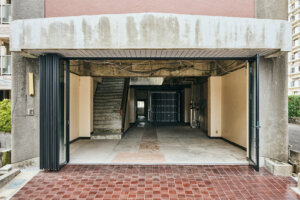
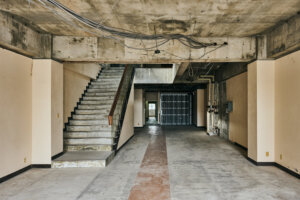
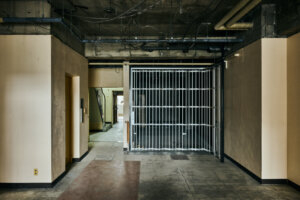
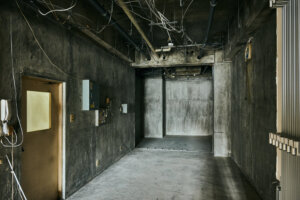
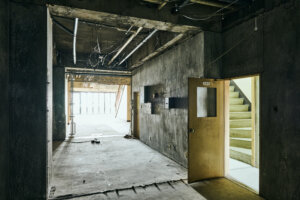
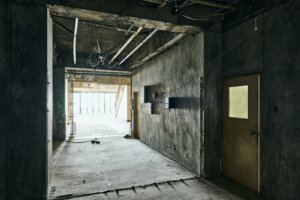
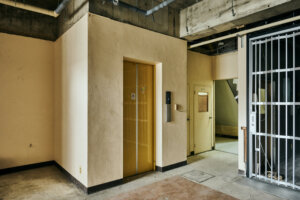
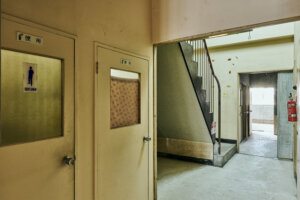
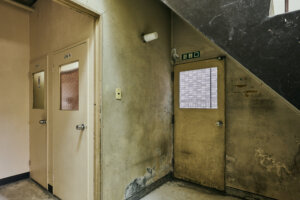
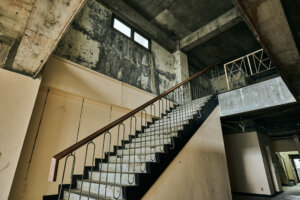
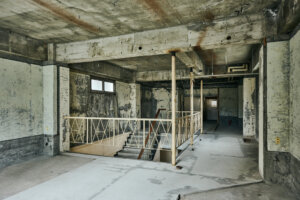
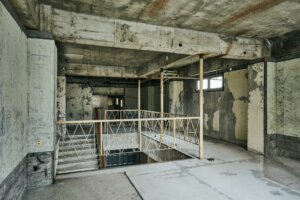
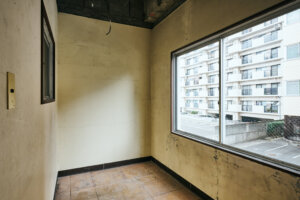
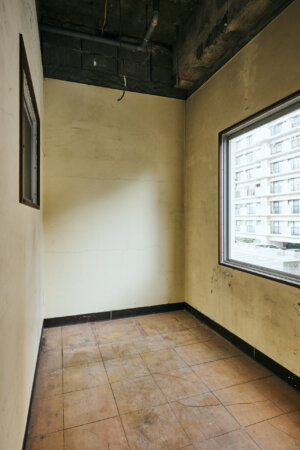
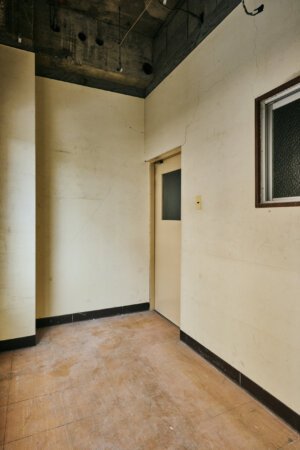
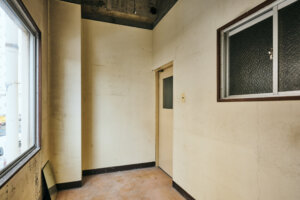
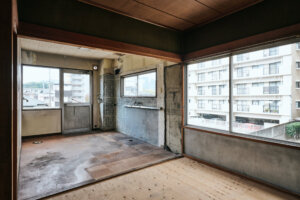
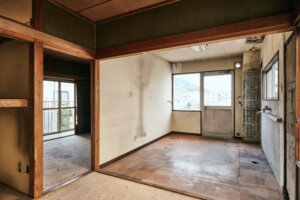
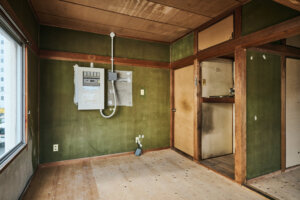
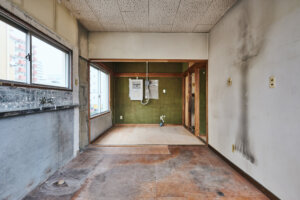
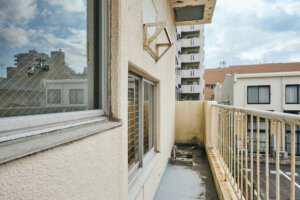
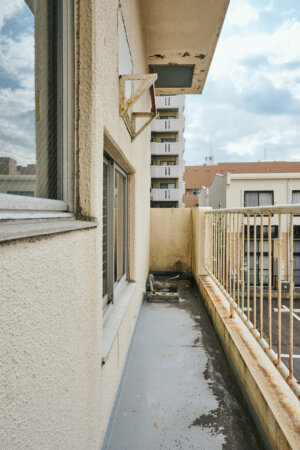
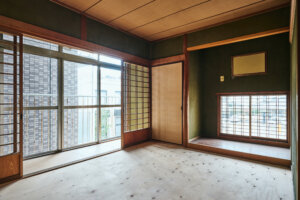
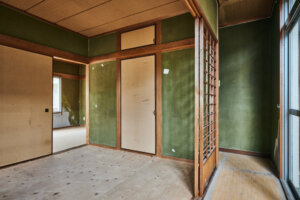
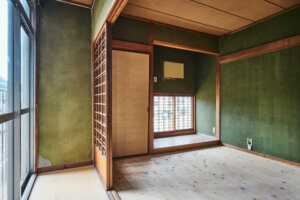
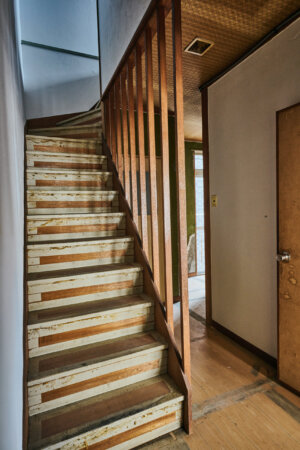
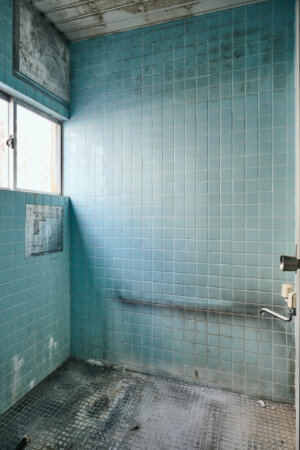
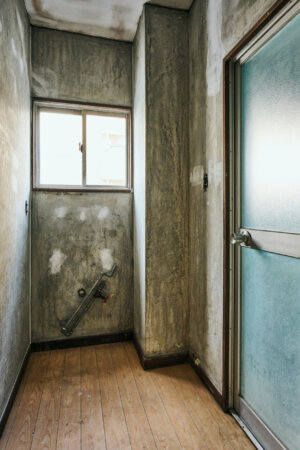
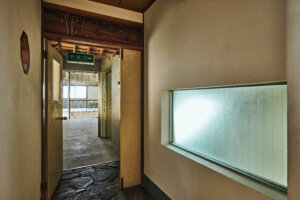
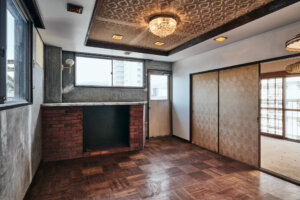
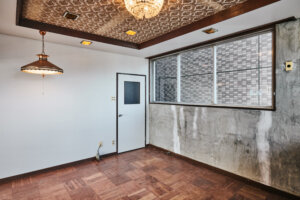
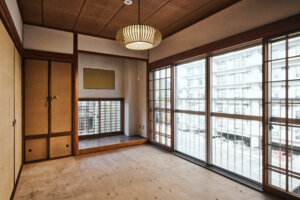
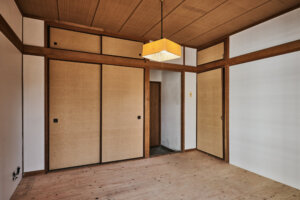
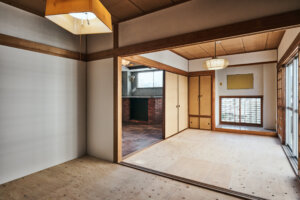
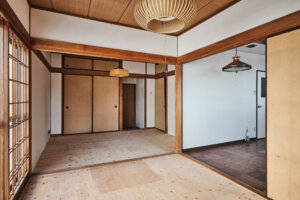
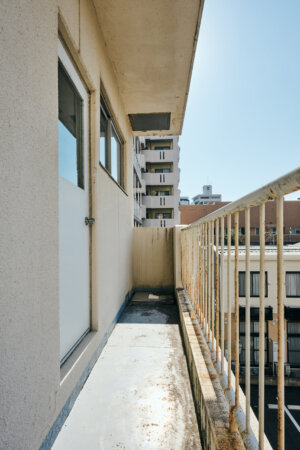
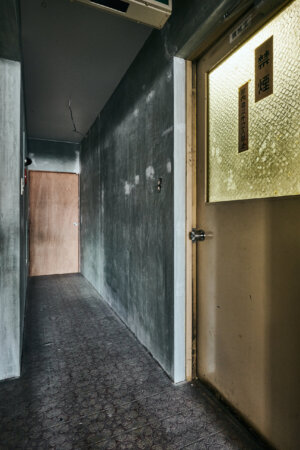
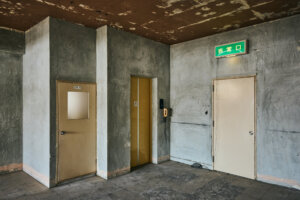
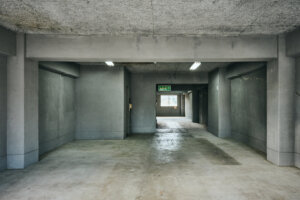
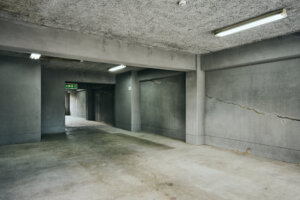
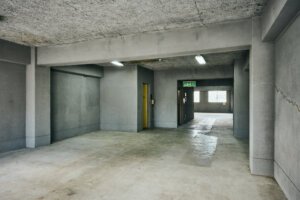
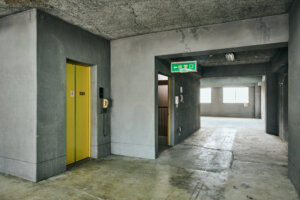
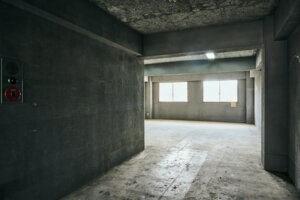
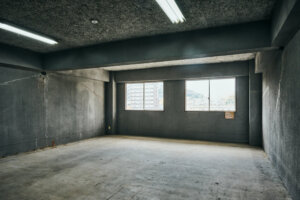
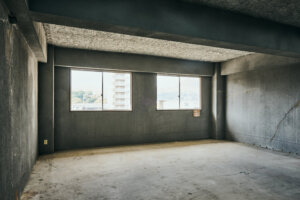
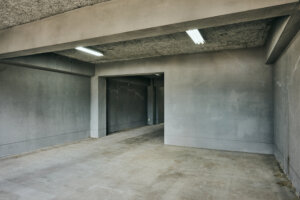
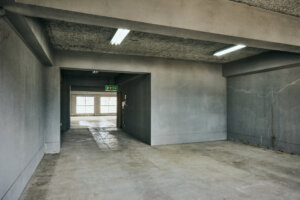
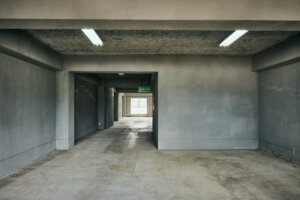
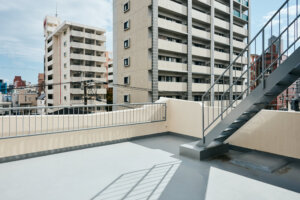
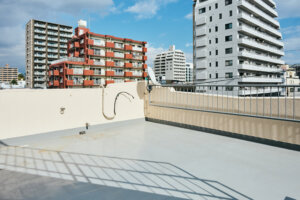
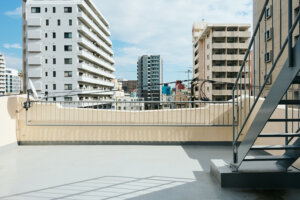
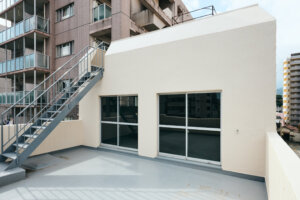
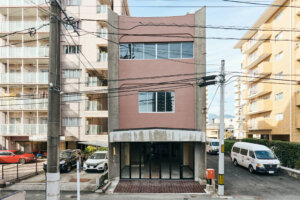
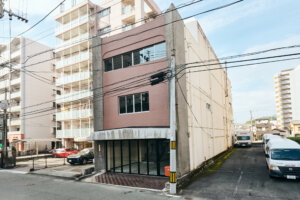
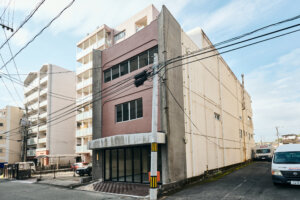
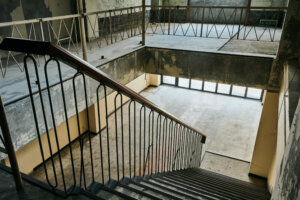
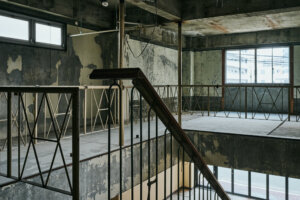
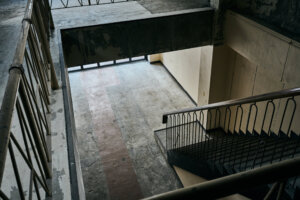
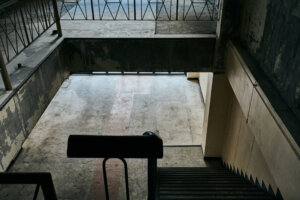







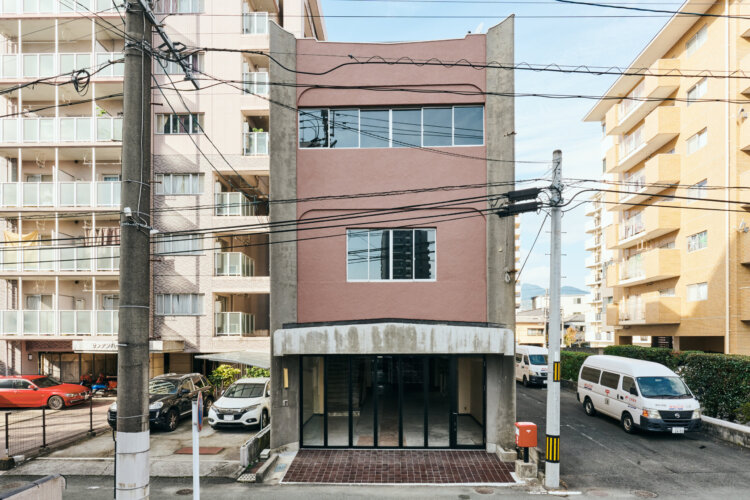


This project regenerates a roughly 50-year-old reinforced-concrete building in Kumamoto City, returning it to the rental market through minimal intervention. Around the 1970s, many regional Japanese cities saw the construction of small- to mid-scale mixed-use office and retail buildings, driven by economic growth and urban expansion. This structure is one such example of that urban stock: a robust RC frame with large-span floor plates, providing a flexible structural skeleton capable of accommodating changing commercial and business uses.
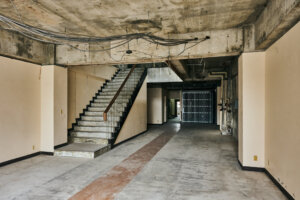
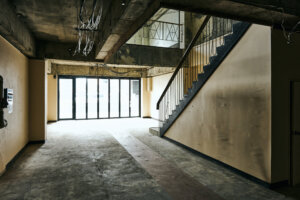
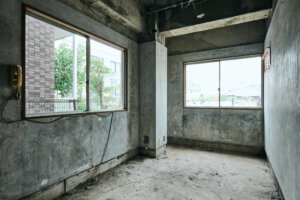
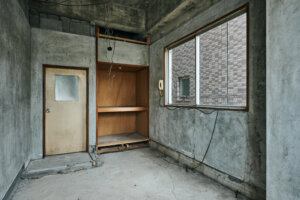
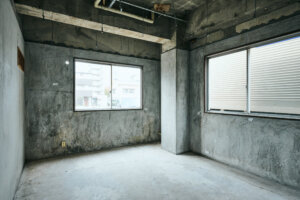
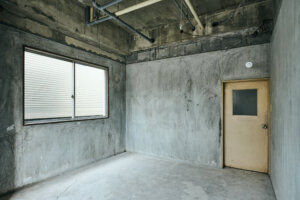
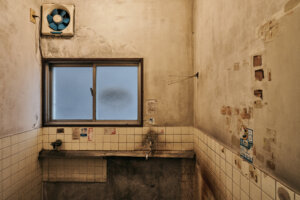
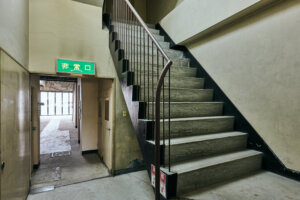
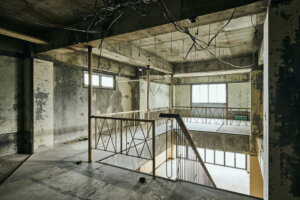
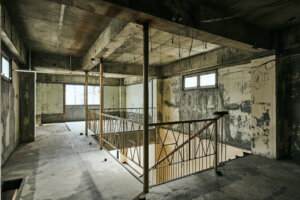
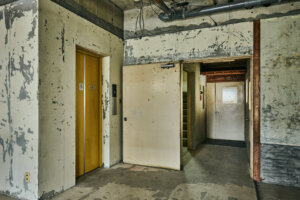
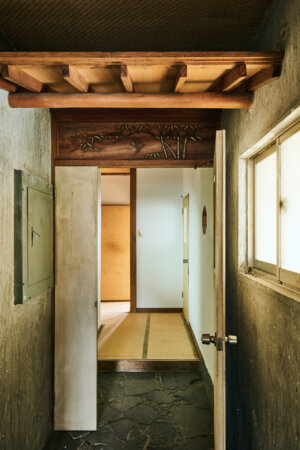
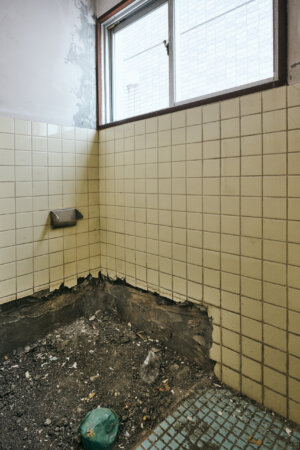
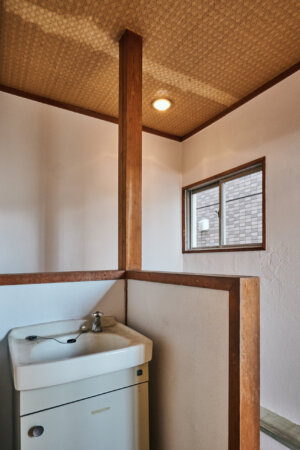
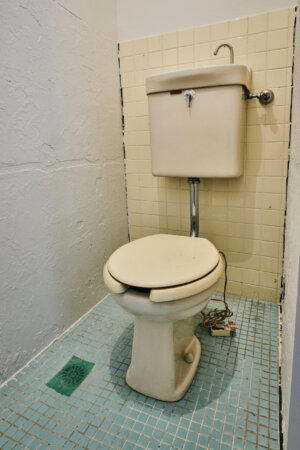
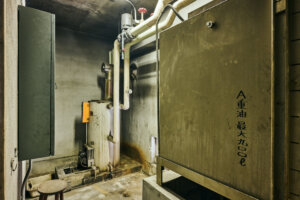
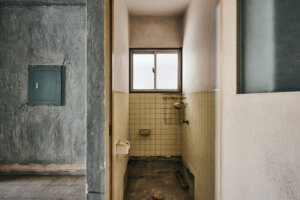
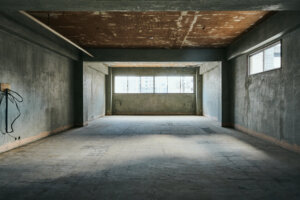
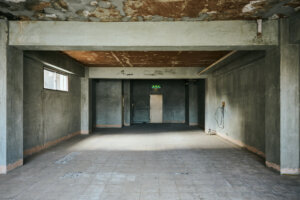
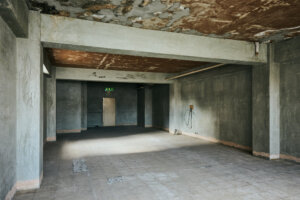
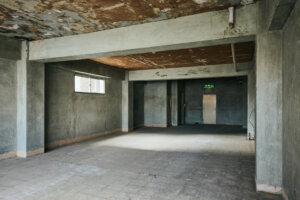
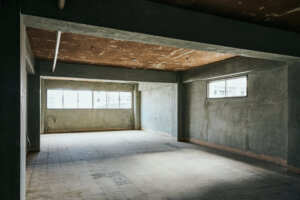
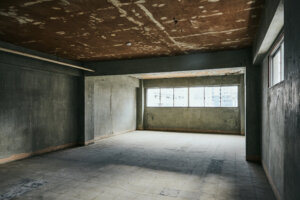
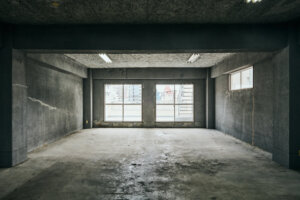
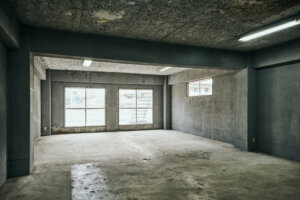
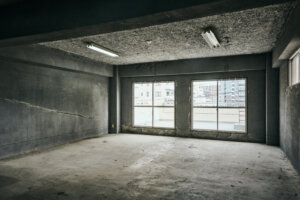
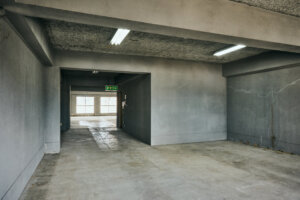
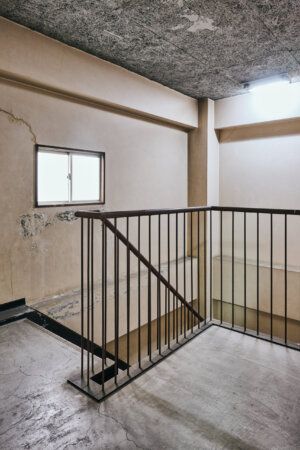
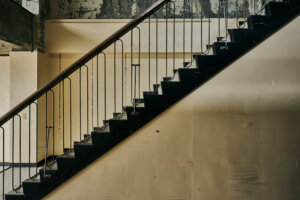
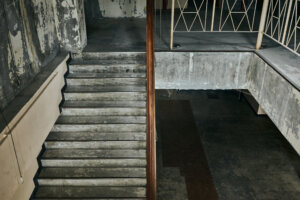
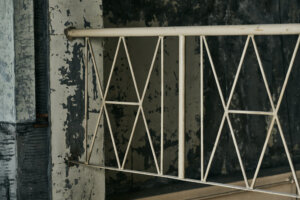
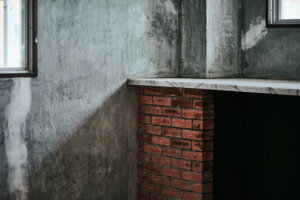
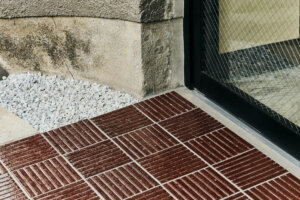
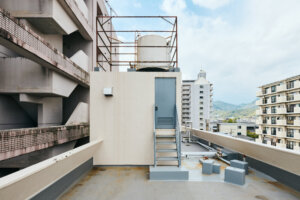
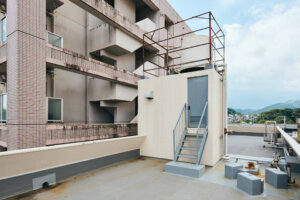
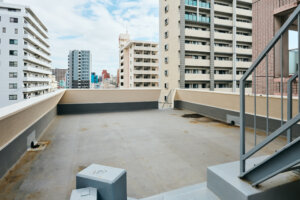
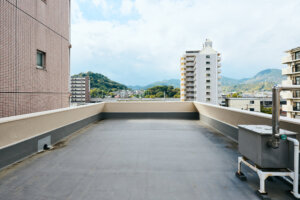
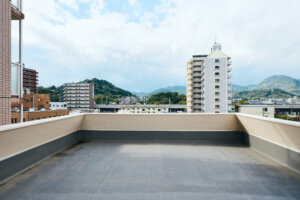
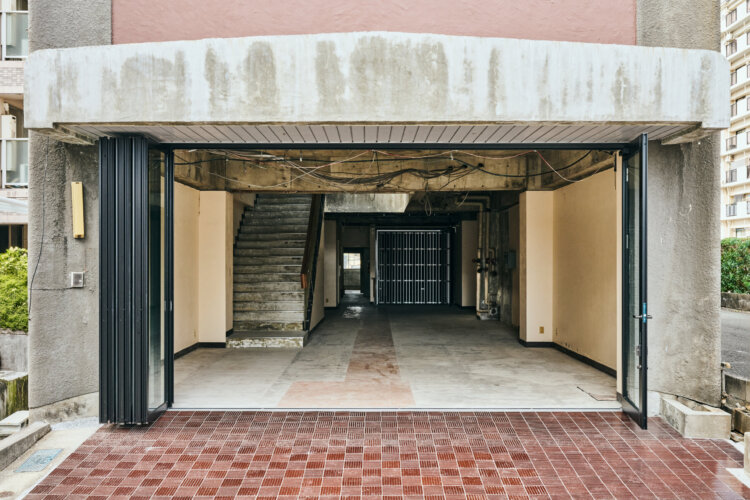
The renovation approach centered on stripping the interior back to its structural shell, removing existing finishes and services to reveal the condition and scale of the original frame. Exposed concrete beams and columns, the stair core, and original openings express the raw materiality and proportions characteristic of 1970s architecture. At the same time, envelope performance was upgraded through roof waterproofing and exterior wall repairs, ensuring durability, safety, and longterm usability.
The resulting skeleton space retains programmatic openness, adaptable to small offices, studios, or retail tenants. By avoiding excessive interiorization and preserving the accumulated layers of time within the structure, the project reconnects a 1970s regional urban building to contemporary activity an example of “minimal regeneration” applied to aging commercial stock.
- Property Type
- Commercial Building
- Location
- Kumamoto City, Japan
- Land Area
- 697.41 m²
- Structure
- Reinforced concrete
- Year Built
- 1977
- Zoning
- Commercial Zone
熊本市内に建つ築約50年のRC造ビルを再生し、賃貸用途として再び市場へ戻したプロジェクトです。1970年代前後、日本の地方都市では経済成長と都市機能の拡張を背景に、中小規模の事務所・店舗併用ビルが数多く建設されました。本建物もその時代に成立した都市ストックの一例で、堅牢な鉄筋コンクリート躯体と大スパン空間を備え、商業・業務用途の変化に対応できる柔軟な骨格を持っています。
本計画では内部をスケルトン化し、既存仕上げや設備を一度取り払い、躯体そのものの状態と空間スケールを可視化しました。コンクリート梁や柱、階段、開口位置といった構造要素が持つ粗い質感とプロポーションは、1970年代建築特有の力強い合理性を今に伝えています。一方で屋上防水や外壁の補修など外皮性能を更新することで、建物の耐久性と安全性を確保し、長期的な利用に耐える基盤を整えました。
スケルトン空間は用途を限定しない余白を持ち、小規模オフィス、スタジオ、店舗など多様なテナント利用に適応可能です。過度な内装を施さず、躯体の記憶と時間の層を残したまま現代の都市活動へ接続する—地方都市に残る1970年代ビルストックの「最小限再生」による賃貸再生実例です。